Global scientists convene in Uganda to strengthen pandemic preparedness
7 min readUganda is hotspot for viruses
By Christopher Bendana
Entebbe, Uganda
Scientists from across the globe gathered in Entebbe, Uganda on 21& 22 July to celebrate the research institute’s 90 anniversary with a call for global cooperation to manage future epidemics. The Uganda Virus Research Institute (UVRI), one of Africa’s premier public health research institutes, has been key in studying the most lethal virus of our times from Marburg, and Zika to Ebola. The Institute was formed by the British colonialists in 1936 to research yellow fever.
It also hosts the Medical Research Council (MRC), one of the two MRC research centers outside the United Kingdom.
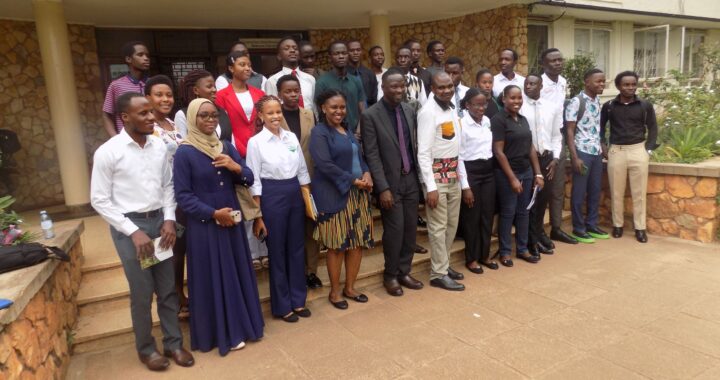
The celebration held at the institute’s campus in Entebbe, Uganda brought on scientists, academics, and policymakers from across the world including from Uganda, Kenya., Tanzania, South Africa, Germany, the United Kingdom and the United States of America.
It was held under the theme, 90 years of scientific discovery, innovation and global impact.
Opening the conference Pontiano Kaleebu, the institute’s director said their ability to detect, monitor respond and manage epidemics over the decades has been a result of international cooperation envisaged at inception. International collaboration has been key in providing scholarships for advanced research training and buying of equipment for the laboratories. It also includes international collaboration on research in itself with the London School of Hygiene & Tropical Medicine and MRC the as key partners. Others are International AIDS Vaccine Initiative VI, Rakai Health Sciences Program.
The institute was started by the British to research fellow fever that was prevalent in West Africa.
The first support was from the Rockefeller Foundation based in New York, the United States. Focus has mainly been on viral hemorrhagic fevers including Ebola and Marburg Influenza, Tuberculosis and HIV/Aids.
He said American dollars through United States Agency for International Development had paid a large part as well as British Pounds through the British Foreign Office.
Kaleebu said the institute mantra was now One Health.
“Human health can’t be separated from the health of animals and the environment,” he said.
John Edmundu, the chief scientific advisor at the United Kingdom Foreign Office said that with the current demographic countries like Uganda and Africa in general were likely to be the next science frontiers to tackle the next infectious diseases.
“Uganda is well-placed to play a leading role,” he said.
Julius Lutwama, a scientist at UVRI concurred with Edmundu on Uganda’s position in managing epidemics
He argued that UVRI to play a key role in managing viruses as the region is a virus hotspot because of the favorable climate that supports diversity including that of viruses. These includes rivers, lakes and a confluence of vegetation
“They are responsible for disease transition,” he said.
Mark Feinberg, President, International Aids Vaccine Initiative said studies done in Africa must be done by African scientists to push the continent’s research agenda.
Jennifer Serwanga, a scientist at UVRI said the institute had moved beyond discovery of virus and include aspects alike sequencing
“We need to understand how the body fights the virus and learn from it,” she said
Chris Baryomunsi, Uganda’s health minister while opening the new Polio laboratory said experience during COVID-19 demonstrated the key role played by laboratories in pandemic management pandemics.
He also argued that the difference in the management current Bundibugyo Ebola strain between Uganda and the DRC is also testimony of a strong laboratory system in the country.
The lab built with support from the Gates Foundation through the World Health Organization will as a testing center for polio isolates for the entire East Africa. Previously sample were sent to CDC Atlanta which would take days and money affecting disease management.
Key to note is that although polio was eradicated in the country in 2006 there can be cases of resurgence.
Regional Virology Centre
The East Africa Community Centre of Excellence in Virology was launched at the institute yesterday. It will do surveillance, monitor and respond to outbreak in the eight countries block.
Andrea Aguer Ariik Malueth, the deputy secretary general who represented the block’s general secretary said the center would lead to more regional collaboration in disease surveillance, diagnostic and knowledge sharing.
Baryomunsi said the center will play in key role in the managing of the rising cases of communicable disease, non-communicable disease, and neglected tropical disease.
Jan Alber, the director KfW Development Bank (Germany State Development Bank) based in Kampala, Uganda said the success of the center would measure by impact on the population in the region.
“It will be measured by the number of outbreaks detected, live saved not just laboratories, buildings and equipment,” he said. “Health security is not separate from development.”
Global Scientists Convene in Uganda to Strengthen Pandemic Preparedness
ENTEBBE, Uganda — Scientists from around the world gathered in Entebbe on July 21–22 to mark the 90th anniversary of the Uganda Virus Research Institute (UVRI) with a unified call for international cooperation in managing future epidemics. As one of Africa’s foremost public health research institutions, UVRI has been instrumental in studying some of the most lethal viruses of our time—from Marburg and Zika to Ebola.
Established by British colonial authorities in 1936 to investigate yellow fever, the institute has since grown into a cornerstone of global virology. It also hosts one of only two Medical Research Council (MRC) research centres outside the United Kingdom.
The commemorative event, held at UVRI’s campus in Entebbe, brought together scientists, academics, and policymakers from Uganda, Kenya, Tanzania, South Africa, Germany, the United Kingdom, and the United States under the theme: “90 Years of Scientific Discovery, Innovation and Global Impact.”
A Legacy of Collaboration
Opening the conference, UVRI Director Pontiano Kaleebu emphasised that the institute’s decades-long capacity to detect, monitor, and respond to outbreaks has been built on international partnerships envisioned from the start. These collaborations have funded advanced research training, laboratory equipment, and joint studies with key partners including the London School of Hygiene & Tropical Medicine, the MRC, the International AIDS Vaccine Initiative (IAVI), and the Rakai Health Sciences Program.
Kaleebu noted that early support came from the Rockefeller Foundation in New York, while more recent funding has been provided by the U.S. Agency for International Development and the British Foreign Office. Today, the institute’s guiding principle is “One Health.”
“Human health cannot be separated from the health of animals and the environment,” he said.
Africa’s Role in the Next Frontier
John Edmundu, Chief Scientific Advisor at the U.K. Foreign Office, said that with shifting demographics, countries like Uganda and Africa at large are poised to become the next scientific frontiers in the fight against infectious diseases. “Uganda is well-placed to play a leading role,” he stated.
UVRI scientist Julius Lutwama echoed that view, pointing to Uganda’s position as a viral hotspot due to its favourable climate, rivers, lakes, and diverse vegetation all factors that drive disease transmission.
Mark Feinberg, President of IAVI, stressed that studies conducted in Africa must be led by African scientists to advance the continent’s own research agenda.
Jennifer Serwanga, a UVRI researcher, added that the institute has moved beyond virus discovery into areas like genomic sequencing: “We need to understand how the body fights the virus and learn from it.”
New Lab and Regional Centre Launched
Uganda’s Health Minister, Dr. Chris Baryomunsi, officially opened a new polio laboratory at the institute, built with support from the Gates Foundation through the World Health Organization. The lab will serve as a testing hub for polio isolates across East Africa. Kaleebu said previously the sample would be sent to CDC labs in Atlanta in the United States of America. It was costly and would take more days to get the sample results. Although polio was eradicated in Uganda in 2006, the risk of resurgence remains.
Baryomunsi also noted that Uganda’s strong laboratory system was critical during COVID-19 and contributed to the successful management of the recent Bundibugyo Ebola strain a contrast to challenges faced in the neighbouring DRC.
Additionally, the East African Community Centre of Excellence in Virology was launched during the event. Based at UVRI, it will coordinate surveillance, monitoring, and outbreak response across the eight-member bloc. Andrea Aguer Ariik Malueth, Deputy Secretary General of the East African Community who represented the general secretary, said the centre would deepen regional collaboration in diagnostics, knowledge sharing, and disease surveillance.
Measuring Success by Lives Saved
Jan Alber, Director of KfW Development Bank (Germany’s state development bank) in Kampala, underscored that the centre’s success will be judged not by infrastructure alone, but by its impact on people: “It will be measured by the number of outbreaks detected, lives saved not just laboratories, buildings, and equipment. Health security is not separate from development.”
- Agri business
- Agriculture
- Climate Change
- Discoveries
- Engineering
- Environment
- Health
- Human science
- innovation
- Technologies
- Uncategorized
- Agri business
- Agriculture
- Climate Change
- Discoveries
- Engineering
- Environment
- Health
- Human science
- innovation
- Technologies
- Uncategorized



Leave a Reply